Did you enjoy our articles?
Click the order button below to get a high-quality paper.
You can talk to the writer using our messaging system and keep track of how your assignment is going.
Order Now / اطلب الان

8000-259 Understanding Change in the Workplace is a core unit within the Institute of Leadership and Management (ILM) qualifications framework. The unit equips learners with practical knowledge of why change happens, how it affects individuals and organisations, and how change can be managed effectively in the workplace.
This unit is especially relevant for team leaders, supervisors, junior managers, and aspiring leaders who must respond positively to organisational change while supporting others through transitions.
Workplace change refers to any alteration in how work is carried out, including changes to:
Change can be planned (e.g. restructuring, digital transformation) or unplanned (e.g. economic downturns, regulatory changes, crises).
Understanding the drivers of change is central to the 8000-259 unit. Common causes include:
New software, automation, AI tools, and digital systems force organisations to adapt to remain competitive.
Competition, inflation, customer expectations, and globalisation often require operational or strategic change.
Employment laws, health and safety regulations, and compliance standards frequently trigger organisational change.
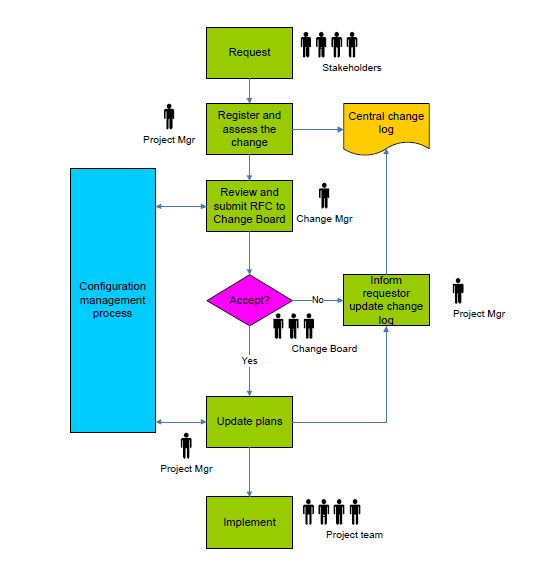
Learners are expected to recognise different types of workplace change, including:
|
Type of Change |
Description |
|
Strategic Change |
Long-term direction or business model shifts |
|
Operational Change |
Day-to-day process or workflow improvements |
|
Structural Change |
Changes in hierarchy or reporting lines |
|
Cultural Change |
Shifts in values, behaviours, and norms |
|
Technological Change |
Introduction of new tools or systems |
A key learning outcome of 8000-259 Understanding Change in the Workplace is recognising how change affects people.
Employees may experience:
Others may respond positively with:
Resistance is a natural reaction and must be understood, not ignored. Typical reasons include:
Effective leaders anticipate resistance and address concerns early.
ILM 8000-259 emphasises practical approaches to managing change rather than complex models.
Involving employees helps to:
Providing guidance, coaching, and training enables employees to adapt confidently to new ways of working.
Effective leaders:
Within the ILM framework, leaders are expected to:
Good leadership ensures that change becomes an opportunity for improvement, not disruption.
When change is handled well, organisations can achieve:
These outcomes align closely with ILM’s leadership development objectives.
Assessment for this unit typically requires learners to:
Answers should be workplace-based, reflective, and written in clear, professional language.
This unit is ideal for:
8000-259 Understanding Change in the Workplace (ILM) provides essential knowledge for navigating today’s fast-changing work environments. By understanding why change occurs, how it affects people, and how it can be managed effectively, learners develop confidence, adaptability, and leadership capability.
For organisations, these skills translate into smoother transitions, stronger teams, and long-term success.
Related Articles: